Blogs
13 Aug 2026 | 10 Min Read |  0 |
0 |  0
0
The 2026 Tableau to Power BI Migration Approach: AI Automation with Pulse Convert
Adopt the ideal Tableau to Power BI approach. Use Pulse Convert AI tools to automate BI conversion, slash project risk, and achieve 75-90% accuracy.
Read more
12 August 2026 | 14 Min Read | 0 | 0
Enterprise Roadmap: Complete Tableau to Power BI Guide, Steps, and Tool Evaluation
Enterprise business intelligence is entering a new phase of consolidation and modernization. For over a decade, standalone visual discovery platforms dominated corporate reporting. However, as cloud data architectures evolve toward unified lakehouses, real-time analytics, and embedded AI, technology leaders are re-evaluating their legacy reporting stacks.
Read more12 August 2026 | 14 Min Read | 0 | 0
Enterprise Playbook: Tableau to Power BI Migration Approach, Best Practices, and Automation
Enterprise analytics is undergoing a major shift toward automated, cloud-native architectures. As corporate data teams seek to lower software licensing costs, improve data governance, and standardize on Microsoft Fabric, modernizing legacy visual reporting assets has become a top priority. However, executing an enterprise-wide platform transition introduces technical complexities that require a carefully planned Tableau to Power BI approach.
Read more
12 Aug 2026 | 10 Min Read | 0 | 0
Tableau to Power BI Migration Guide: Steps, Process, and Automation Solutions
Master your Tableau to Power BI migration. Discover proven steps, compare top tools, and convert legacy workbooks with 75-90% automated accuracy.
Read more
12 Aug 2026 | 10 Min Read | 0 | 0
The 2026 Tableau to Power BI Migration Approach: A Zero-Downtime Technical Roadmap
Explore the ideal Tableau to Power BI migration approach. Overcome key challenges, adopt AI automation, and follow proven enterprise best practices.
Read more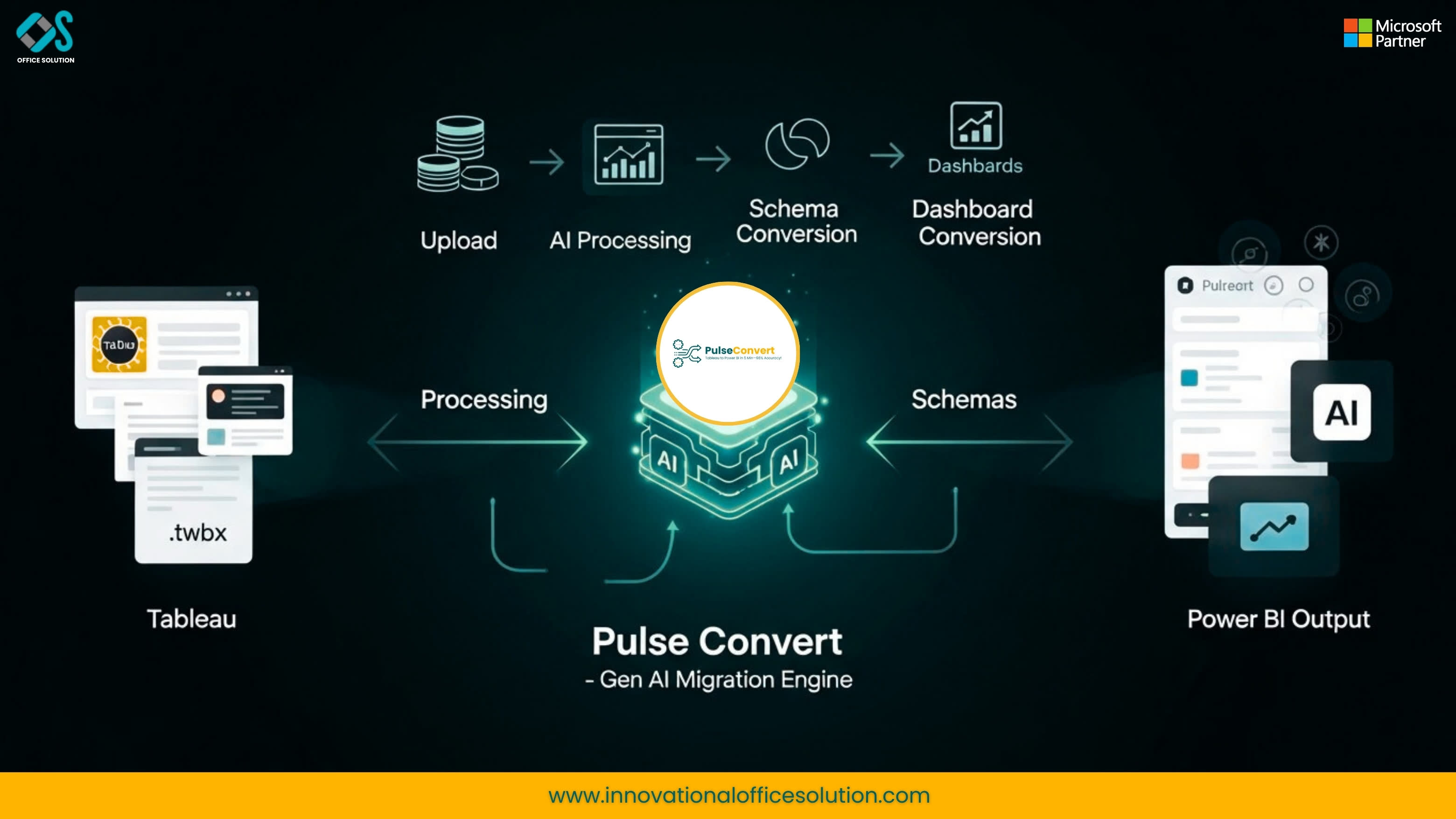
11 Aug 2026 | 10 Min Read | 0 | 0
Enterprise Tableau to Power BI Migration Framework: Strategic Comparison, Architecture, and Execution Roadmap
The enterprise analytics landscape is undergoing a significant architectural consolidation. Learn how to compare Tableau vs Power BI, select the best migration approach, and convert reports seamlessly.
Read more
11 Aug 2026 | 10 Min Read | 0 | 0
The Modern Technical Blueprint for Tableau to Power BI Migration: Semantic Layers, DAX Automation, and Zero-Downtime Deployment
As enterprise data environments become more sophisticated, technology teams are tasked with modernizing legacy reporting tools and simplifying data architectures. Learn how to migrate from Tableau to Power BI.
Read more10 August 2026 | 14 Min Read | 0 | 0
The Definitive Enterprise Guide to Tableau to Power BI Migration
The modern data ecosystem is undergoing a massive transformation as enterprises optimize their business intelligence infrastructure. For over a decade, visual analytics was dominated by standalone visualization software. However, as organizational needs expand toward integrated AI, unified governance, and real-time cloud data warehousing, enterprise leaders are rethinking their reporting stacks.
Read more10 August 2026 | 14 Min Read | 0 | 0
Complete Tableau to Power BI Guide: Automation, Steps, and AI-Driven Migration
As business intelligence architectures evolve, enterprise data teams are increasingly tasked with modernizing legacy reporting infrastructure. Transitioning your visual analytics strategy requires a structured execution roadmap, robust governance, and specialized automation tooling. This comprehensive Tableau to Power BI guide outlines the exact technical steps, tool selection criteria, and automation strategies necessary to migrate reporting workloads reliably, quickly, and securely.
Read more


